Key takeaways
- MIG is fast and clean and is common for fabrication.
- TIG gives the neatest welds and is best for stainless and aluminum.
- Stick works well outdoors and on dirty or rusty steel.
- A good welder picks the process to match the metal and the conditions.
MIG welding
MIG welding feeds a wire electrode through a gun with shielding gas. It is quick, easy to control and produces clean welds on clean steel, which makes it the workhorse of fabrication shops.
Wind blows away the shielding gas, so outdoors MIG is often paired with flux-cored wire instead.
TIG welding
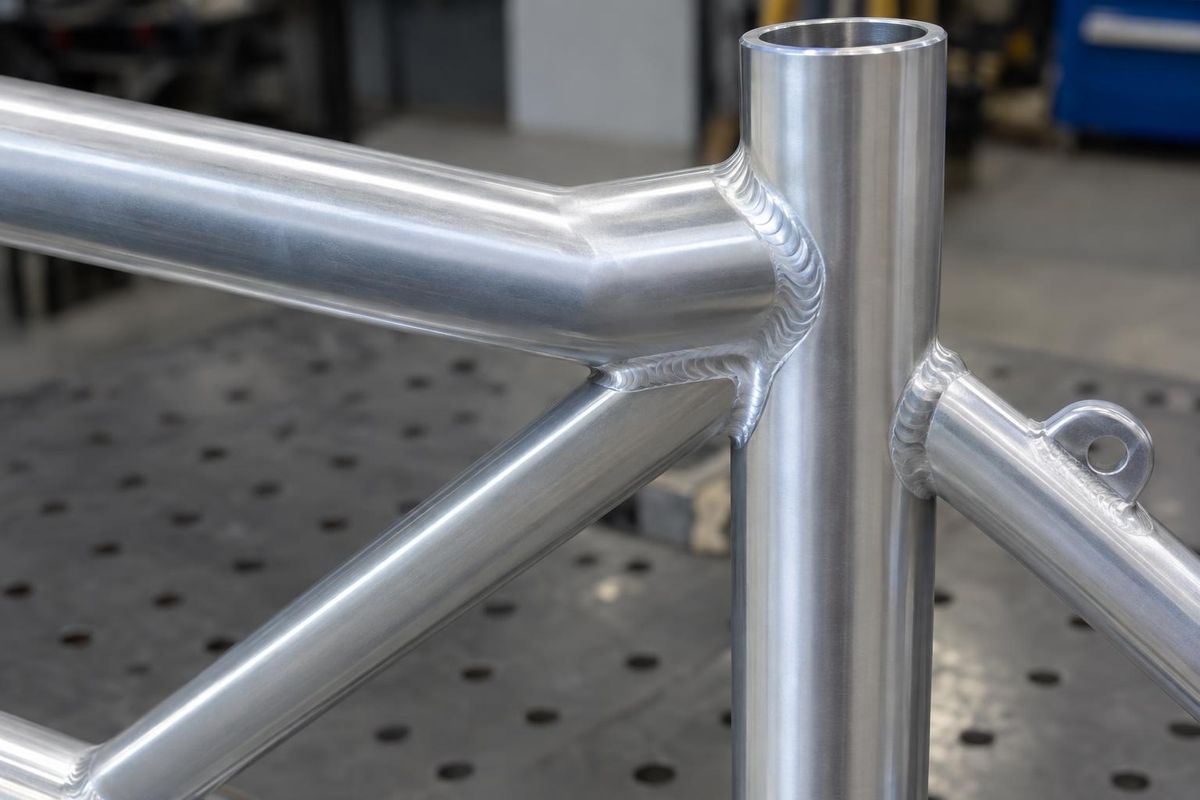
TIG welding uses a tungsten electrode and a separate filler rod, and the welder controls heat with a foot pedal. It is slower, but the welds are precise and beautiful, which is why it is the choice for stainless steel, aluminum and thin material.
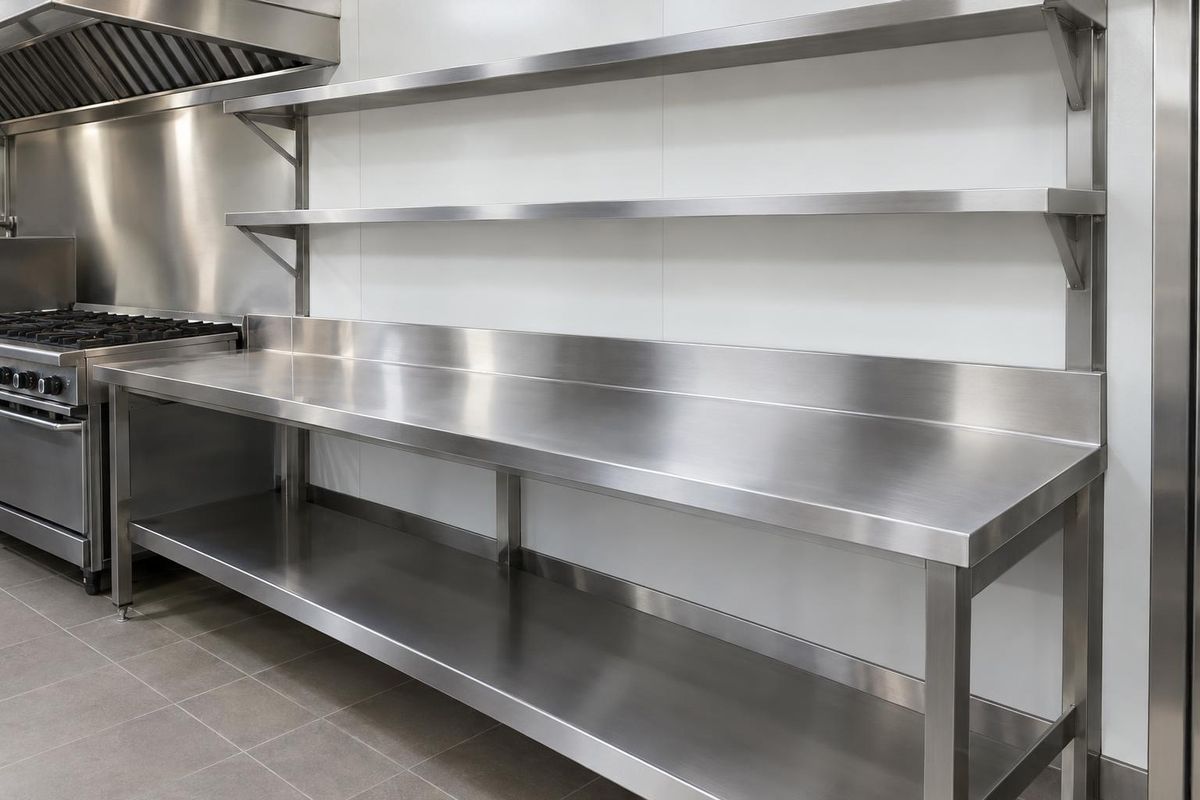
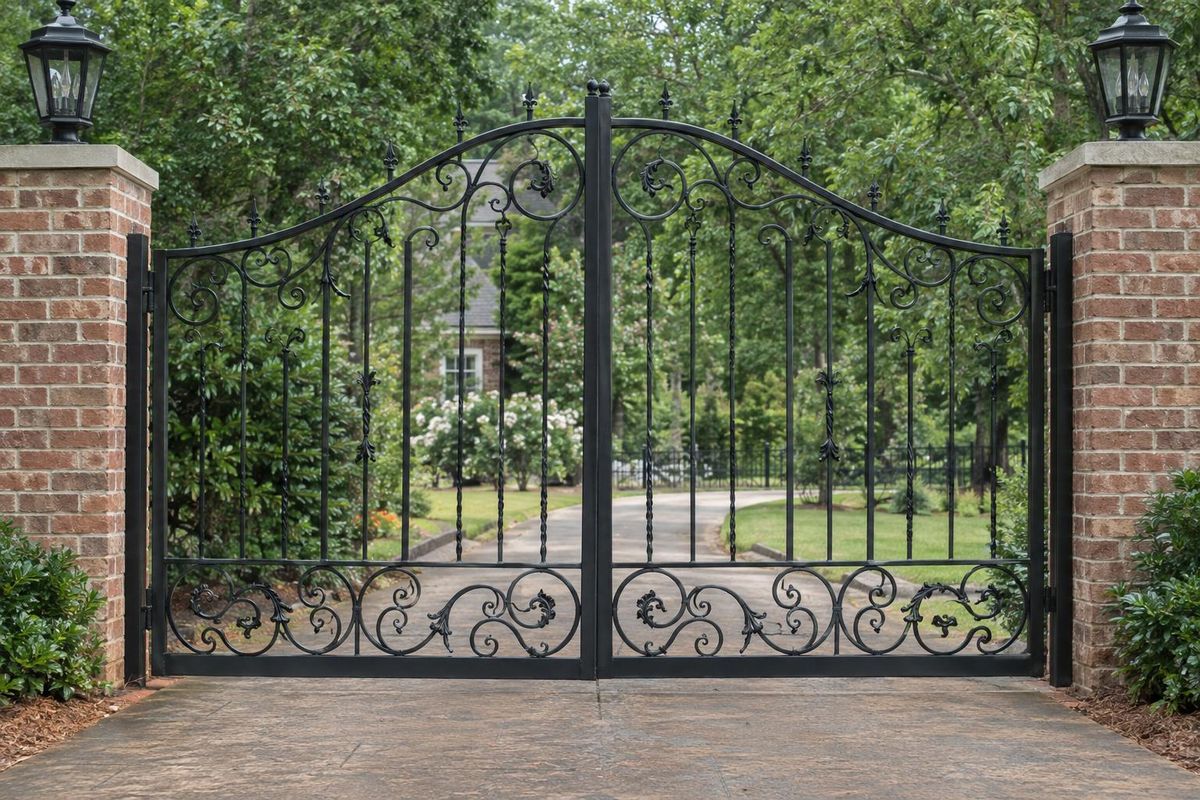
Visible welds on railings, furniture and kitchen equipment are often done with TIG.
Stick welding
Stick welding uses a flux-coated electrode. It handles wind, rust and thick material well, and the equipment is simple, so it is common for field repairs, structural work and farm equipment.
Welds are less tidy than TIG or MIG but very strong when done well.
Choosing for your job
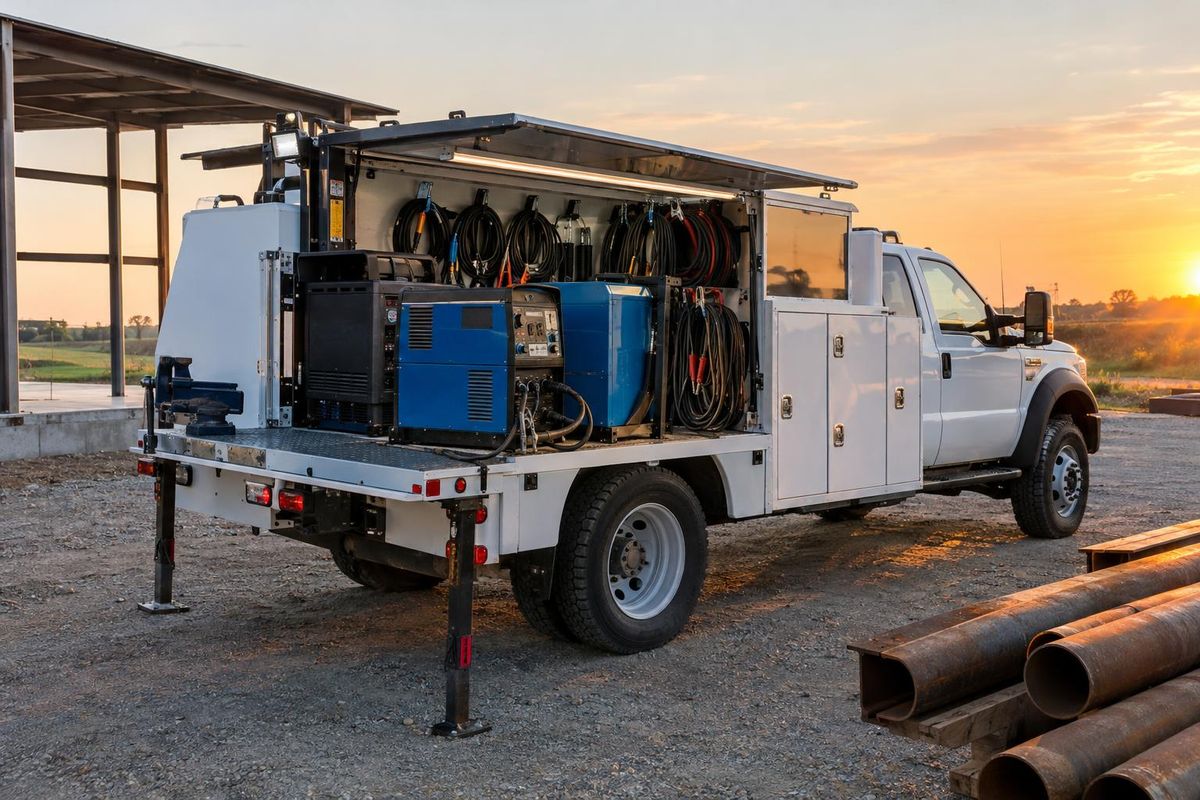
Most mobile jobs mix processes: stick for heavy structural or rusty repairs, MIG for fabrication and fast work and TIG for stainless, aluminum and visible welds. In Nashville and across Middle Tennessee, an on-site welder brings more than one so the process fits the metal.
You do not need to pick. Describe the job, and the welder will.
Quick answers
Which welding process is strongest?
All three can make very strong welds when done correctly. Strength depends on preparation, technique and the right filler.
Can you weld outdoors?
Yes. Stick and flux-cored wire handle wind well. We choose a process that suits the conditions.
Why is TIG more expensive?
It is slower and needs more skill, so it takes more time per inch of weld.