Key takeaways
- Cracks at stress points often come back unless the cause is fixed.
- Thin, heavily rusted metal is usually better replaced.
- Safety-critical parts need honest evaluation.
- A welder who offers both options is giving you the whole picture.
When repair makes sense
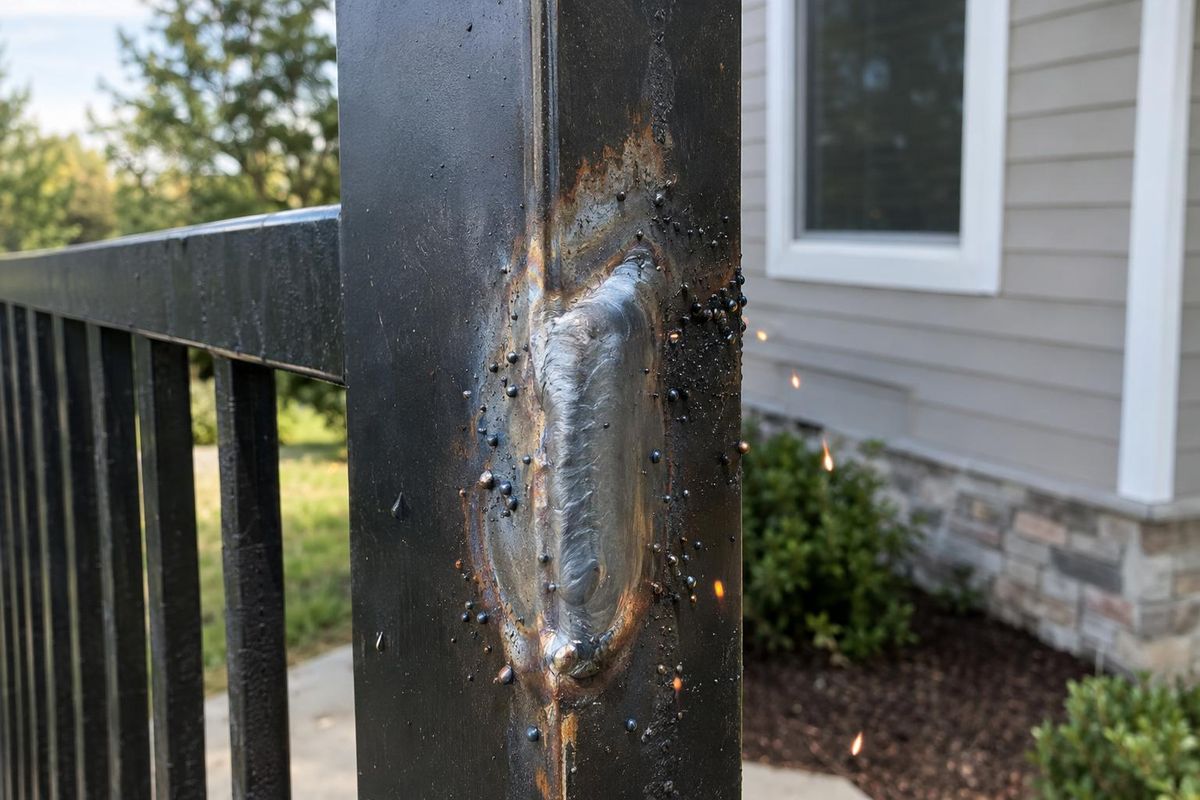
If the metal around the damage is sound, a repair is often faster and stronger than replacement. Broken hinges, cracked brackets, split frames and failed welds usually repair well.
Repairs also make sense for parts that are expensive, out of production or hard to remove.
When replacement is wiser
When rust has thinned the metal across a wide area, when the part is bent past straightening or when the original design was too weak, replacement or a redesigned part is smarter.
Patching rotten steel only moves the failure.
Safety-critical items
Trailer frames, hitches, railings and anything that carries people or loads deserve extra caution. A welder should tell you if a repair is not trustworthy.
Sometimes the right answer is a stronger, redesigned part.
Getting a clear answer
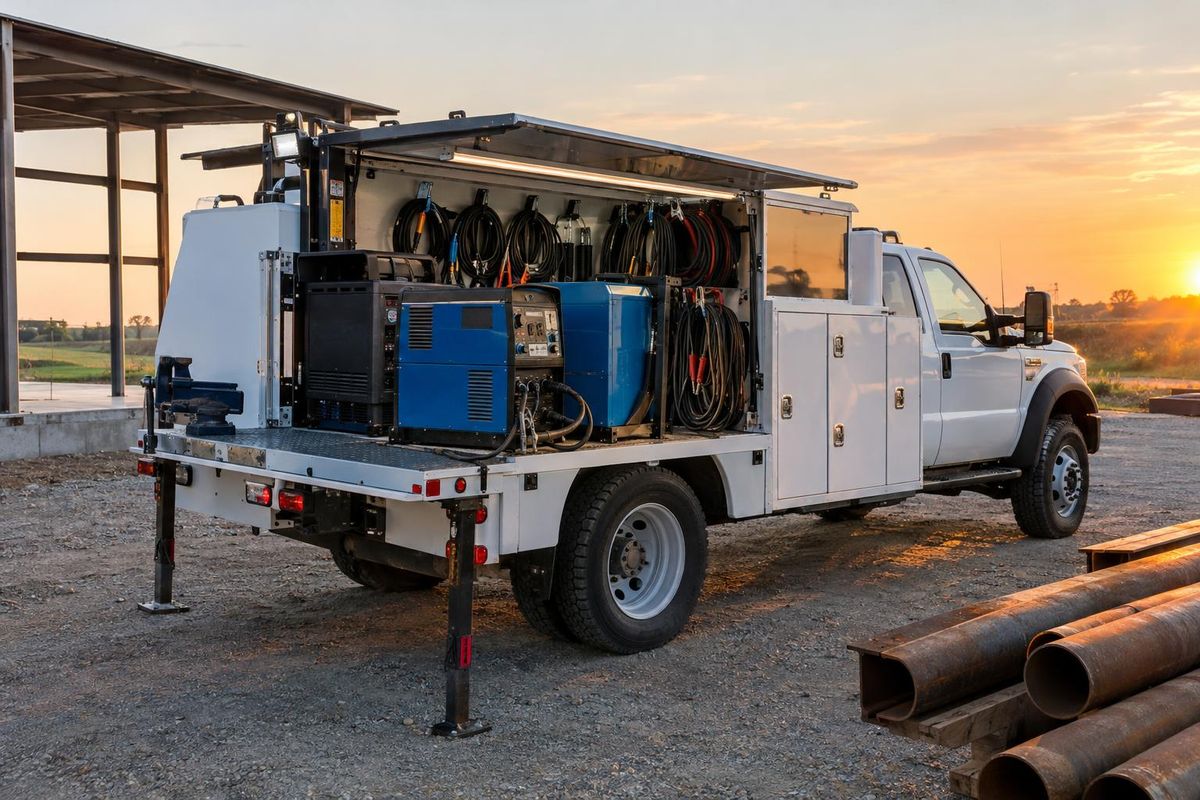
Photos help, and a site look helps more. A mobile welder in Middle Tennessee can look at the item, tell you the options and give you a straight recommendation.
Ask what caused the failure and how the repair will prevent it from happening again.
Quick answers
Is a welded repair as strong as the original?
It can be, if the metal is sound and the weld is done correctly. Sometimes reinforcement makes it stronger.
Why do some welds crack again?
Usually because the cause, such as fatigue or movement, was not fixed.
Should I replace instead of repairing safety parts?
If there is any doubt about strength, replacing or rebuilding is the safer choice.