Key takeaways
- Cracks near welds and mounts are the most serious sign.
- Heavy rust that flakes or thins the steel weakens the frame.
- Bent tongues, loose hitches and worn couplers are tow hazards.
- Stop towing if you find a crack and have it checked.
Cracks and broken welds
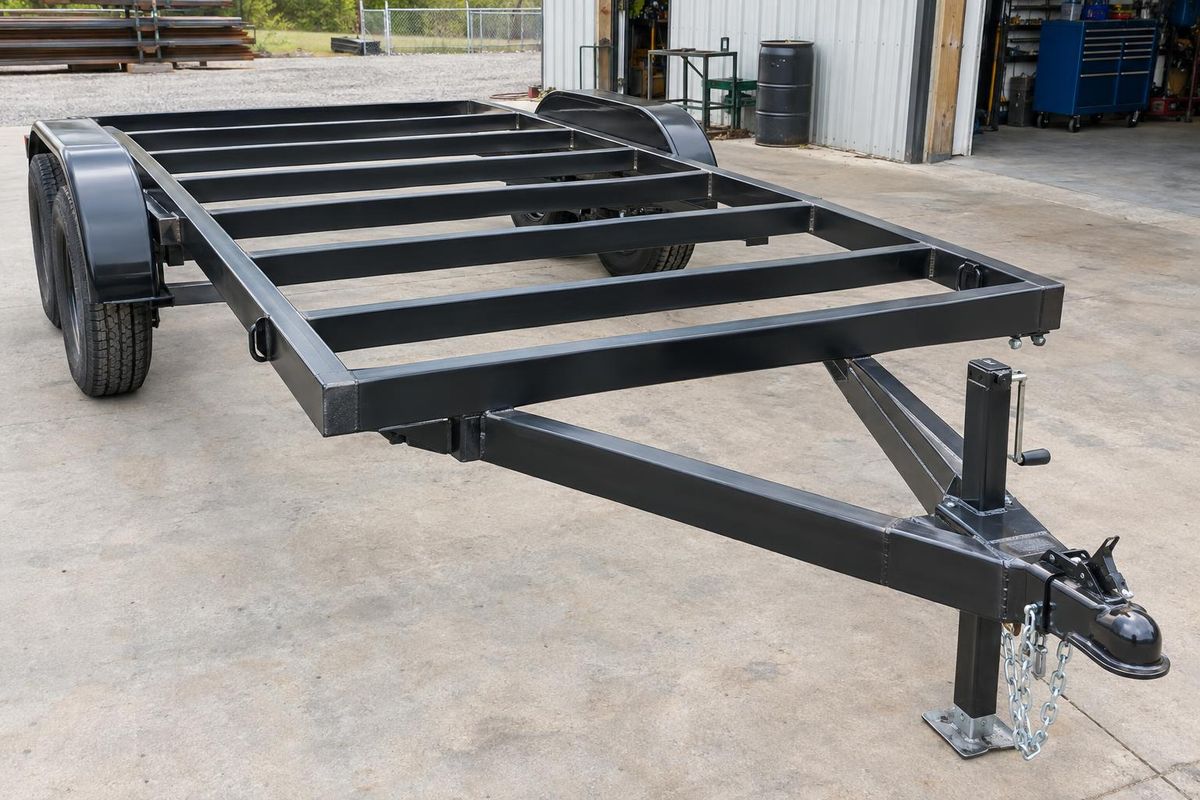
Look at the tongue, the axle mounts, the crossmembers and the corners. Hairline cracks, rust streaks coming from a seam and gaps at welds are warning signs.
A crack in a load path can grow quickly.
Rust damage
Surface rust is cosmetic. Rust that flakes, bubbles or thins the metal, especially at frame rails, crossmembers and spring hangers, weakens the structure.
Tap suspect spots with a hammer. Soft spots or holes mean replacement of the metal.
Tongue and hitch problems
A tongue that is bent or sagging, a loose coupler or a worn ball and latch can let a trailer separate. Check chains, safety cables and mounting bolts too.
Do not tow with a damaged hitch.
What to do
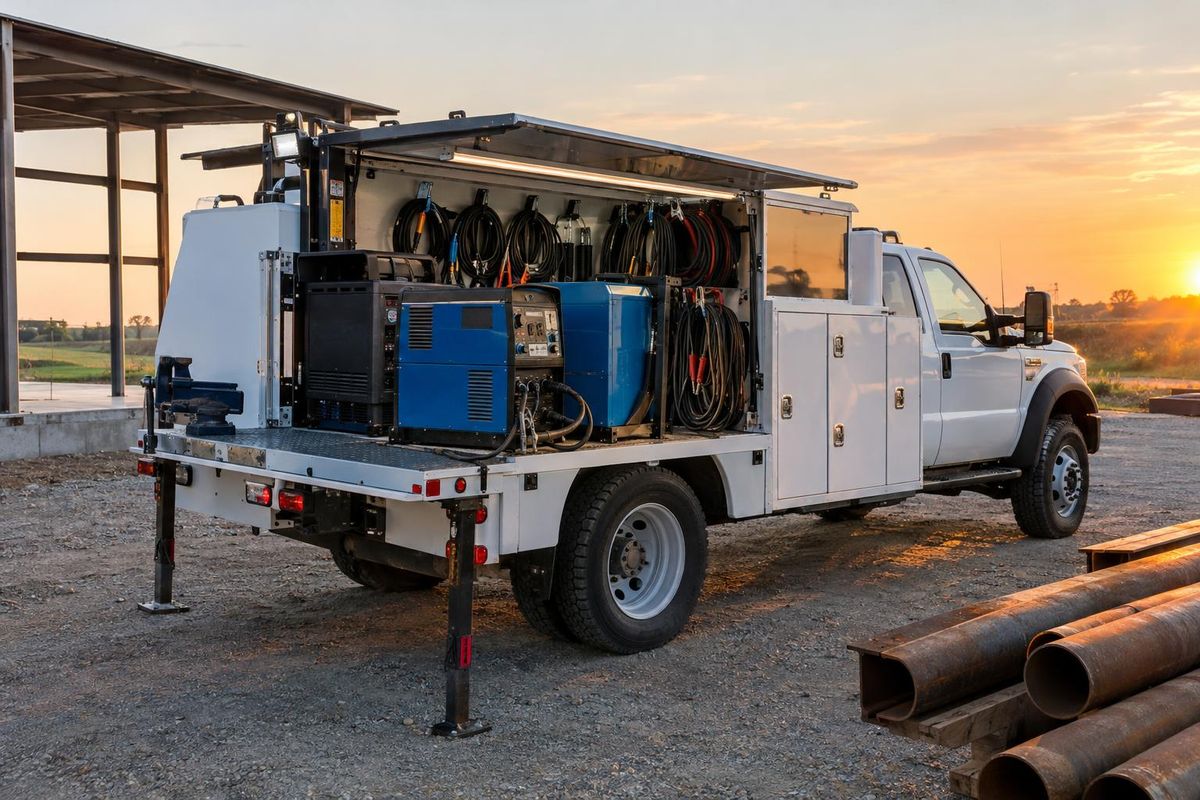
Stop towing, take photos and call for an inspection. A welder can cut out bad metal, weld in new steel and reinforce weak areas, often on site.
In Nashville and across Middle Tennessee, a mobile repair means no haul to a shop.
Quick answers
Can a cracked trailer frame be repaired?
Often yes, by cutting out the damaged section and welding in new steel with reinforcement.
How often should I inspect a trailer?
Before each trip for tires, lights and hitch, and once or twice a year for a close frame check.
Is a rusty trailer unsafe?
Surface rust is not, but thin or flaking steel is. Have it checked.