Key takeaways
- Mild steel is strong and economical but needs a finish to resist rust.
- Stainless resists corrosion and cleans easily but is harder to work.
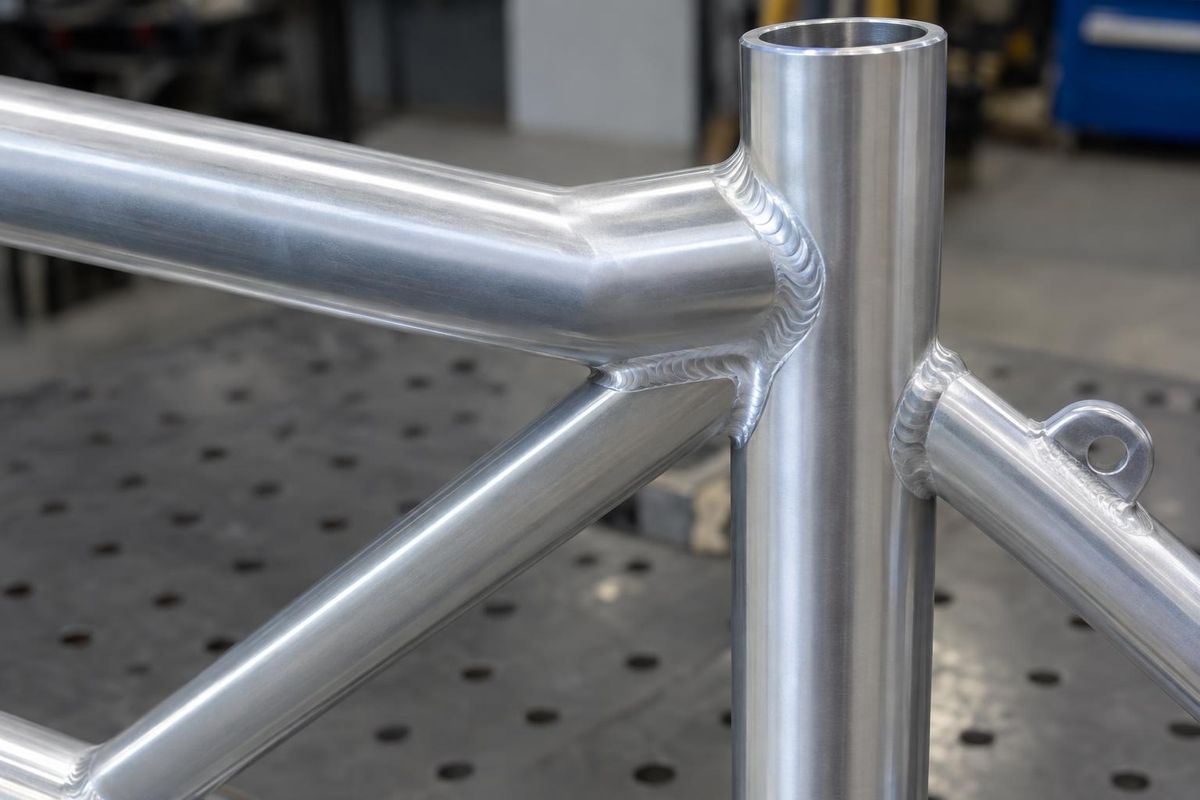
- Aluminum is light and rust-free but softer and trickier to weld.
- The right metal depends on where it will live and how it will be used.
Mild steel
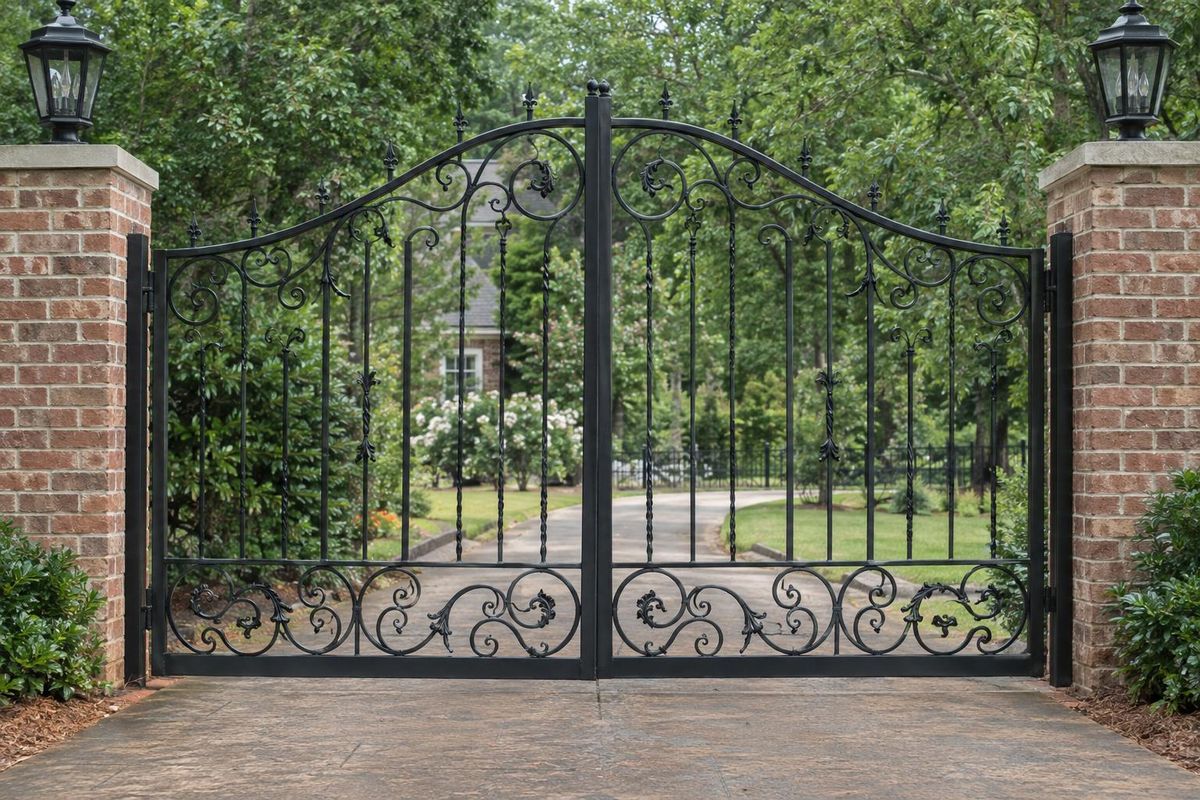
Mild steel is the most common choice for gates, fences, frames and structures. It is strong, easy to weld and takes paint and powder coat well. Its weakness is rust, which a good finish and care control.
For most outdoor projects, steel with a quality coating is the best balance.
Stainless steel
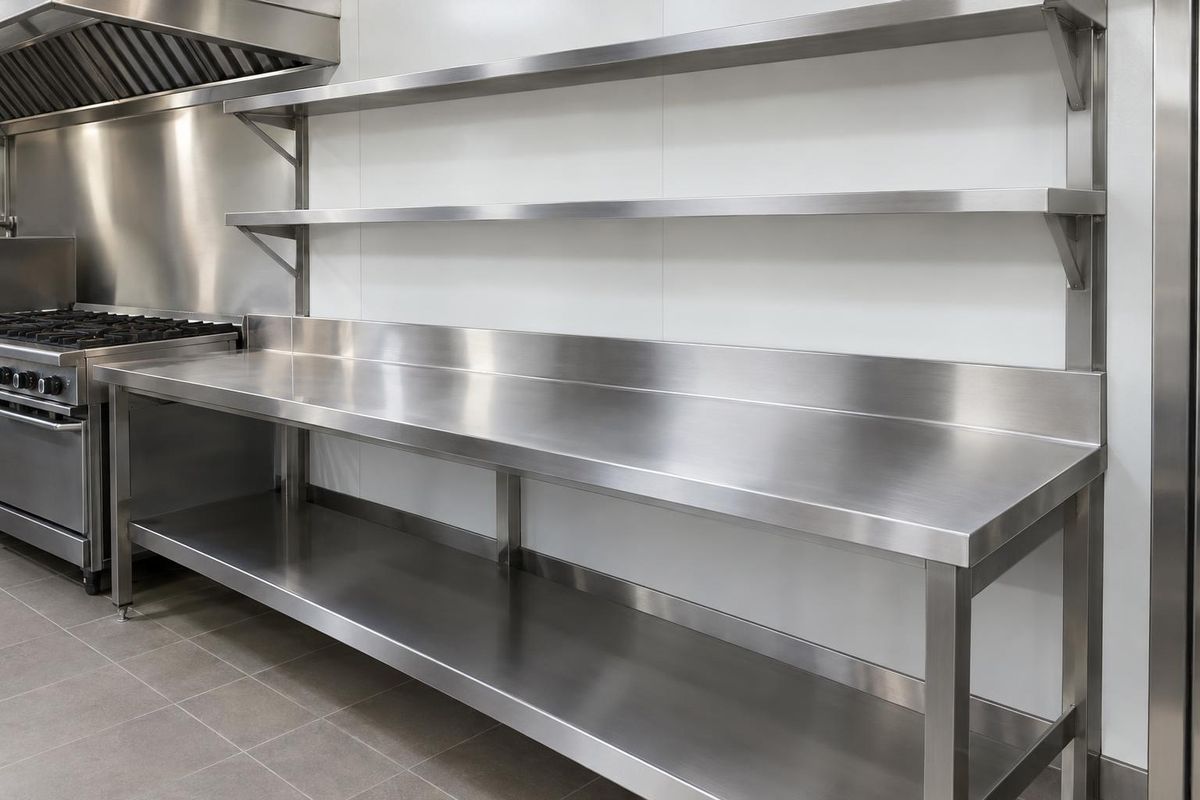
Stainless steel resists rust and stains, cleans easily and looks sharp, so it is used in kitchens, food service and coastal or wet places. It is pricier and needs TIG welding and careful finishing.
Different grades behave differently, and some can still stain in harsh conditions.
Aluminum
Aluminum is light and does not rust, which makes it popular for fences, trailers and marine parts. It is softer than steel, so it is not the right choice for heavy-duty gates or structural loads.
Welding aluminum requires cleaning and heat control, so repairs need an experienced welder.
How to decide
Think about strength, appearance, where it will sit and how much maintenance you want. For a farm gate, steel wins. For a pool fence or a trailer, aluminum may. For a restaurant counter, stainless.
Your welder can help you choose before any cutting starts.
Quick answers
Which metal lasts longest outdoors?
Properly coated or galvanized steel, stainless and aluminum can all last decades outdoors. The finish and the environment matter as much as the metal.
Can you weld different metals together?
Some combinations work, with the right filler. Steel to stainless is common, steel to aluminum is not welded directly.
Is stainless always rust-proof?
No. It resists rust well but can stain in harsh or contaminated environments.